Home
Who We Are
The South Asia Council for Security Policy is an independent research organisation dedicated to the study of security, strategy, and emerging geopolitical challenges across South Asia. Established to address the need for rigorous, policy-relevant analysis in an increasingly complex regional environment, the organisation brings together academic insight and practical policy thinking to better understand the forces shaping peace, competition, and cooperation in the subcontinent. SACSP is among the first think tanks in South Asia to be regionally aligned rather than nationally centred. Our work approaches South Asia as an interconnected security space, where developments in one state frequently carry implications across borders, whether in maritime affairs, border stability, economic security, energy security, technological competition, or diplomatic relations. This perspective allows for more balanced, nuanced, and forward-looking analysis of the region’s shared challenges and opportunities. By combining academic depth with practical policy insight, SACSP aims to strengthen informed debate, encourage regional understanding, and contribute to a more stable and strategically coherent South Asia.
Latest Publications
Explore our latest research, expert analyses, and policy discussions shaping South Asia’s security landscape.
-
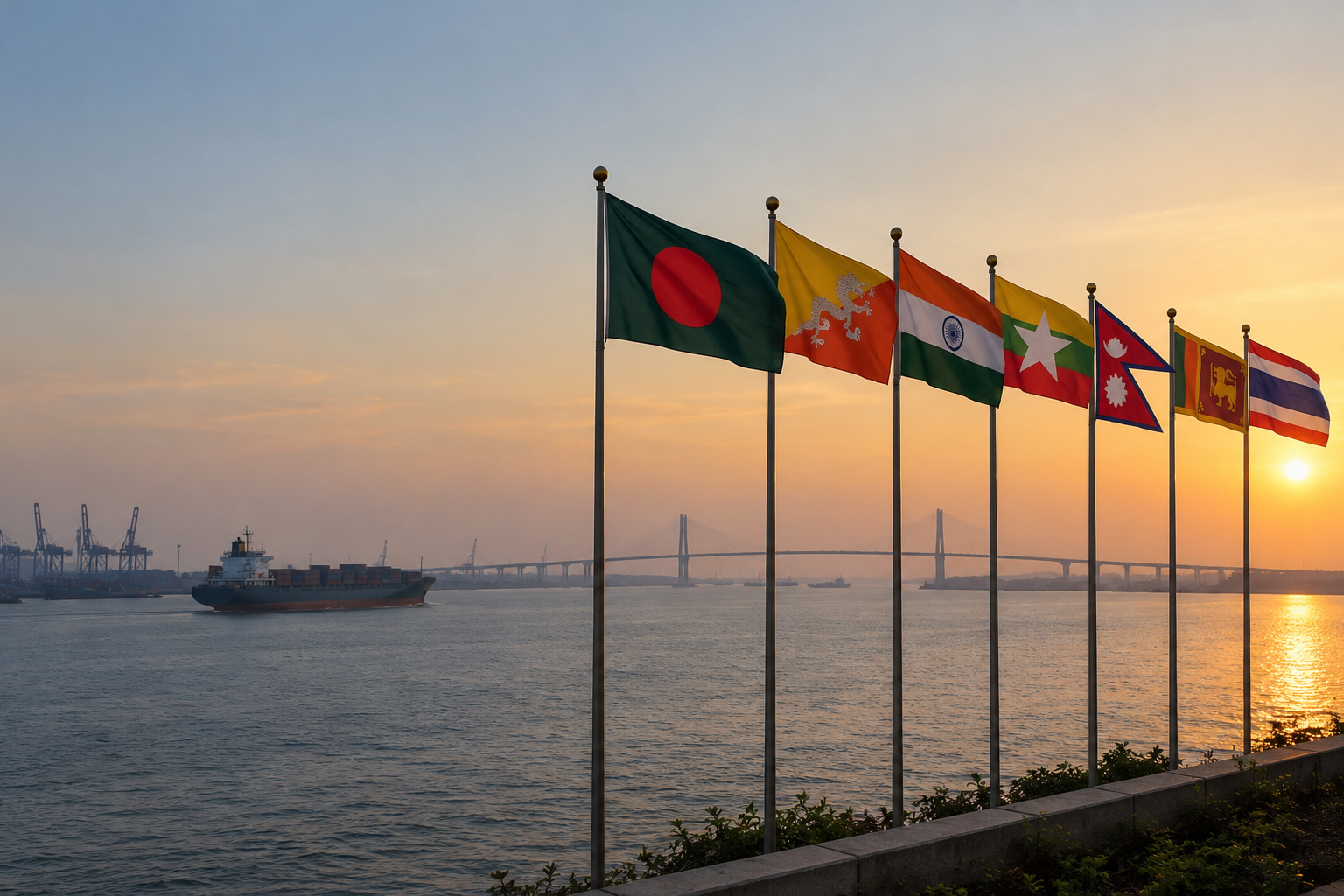
BIMSTEC and the Future of South Asian Regionalism: Can Functional Cooperation Succeed where SAARC has Stagnated?
The prolonged inertia of the South Asian Association for Regional Cooperation (SAARC), primarily owing to the continuing political disagreements between India and Pakistan, has led to a renewed interest in other regional frameworks. Of these, the Bay of Bengal Initiative for Multi-Sectoral Technical…
-
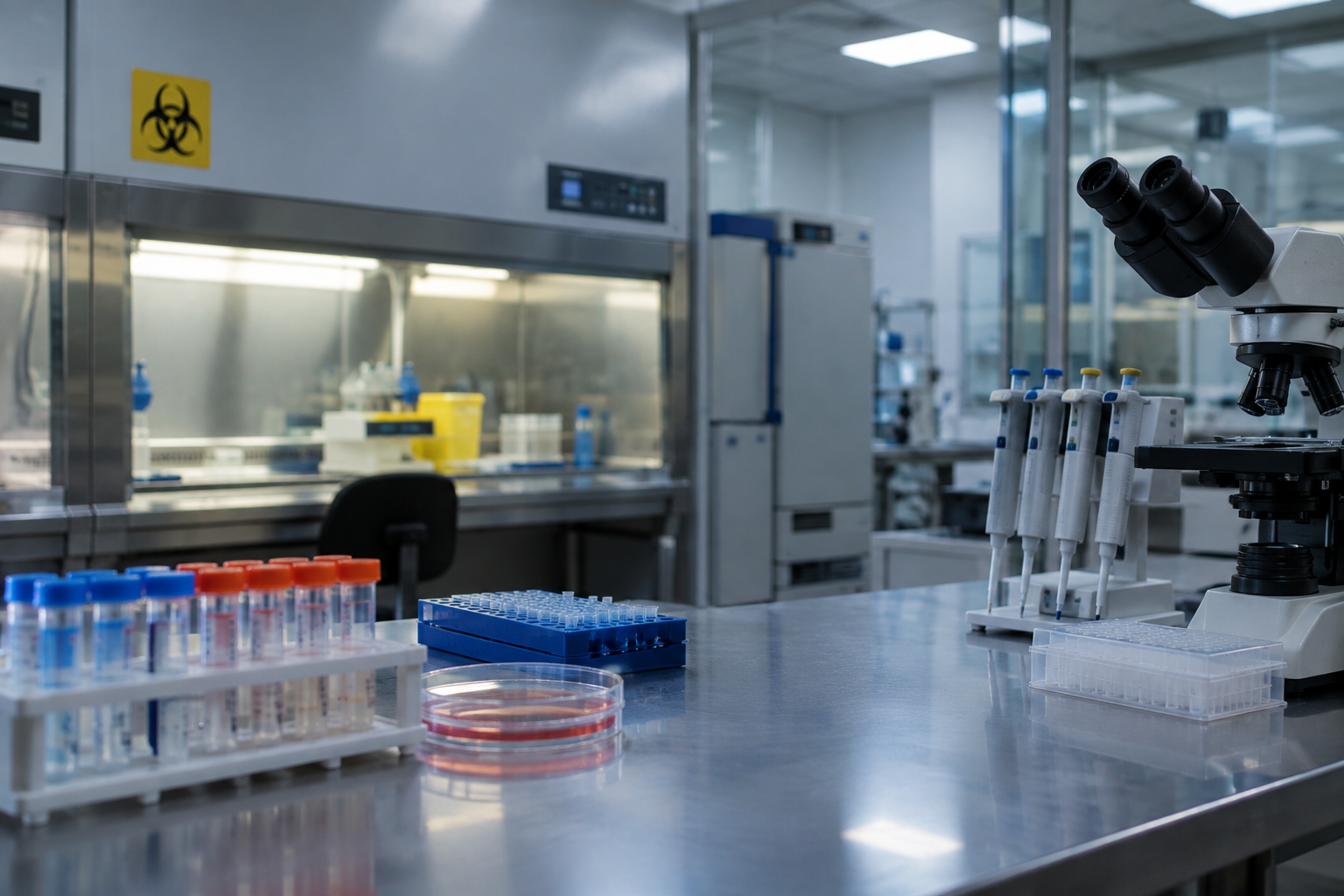
India’s Biodefence-Industrial Gap
In December 2025, India hosted the fiftieth-anniversary conference of the Biological Weapons Convention in New Delhi, and used the platform to present itself as a leading voice for biosecurity across the Global South. External Affairs Minister (EAM) S. Jaishankar told delegates from more…