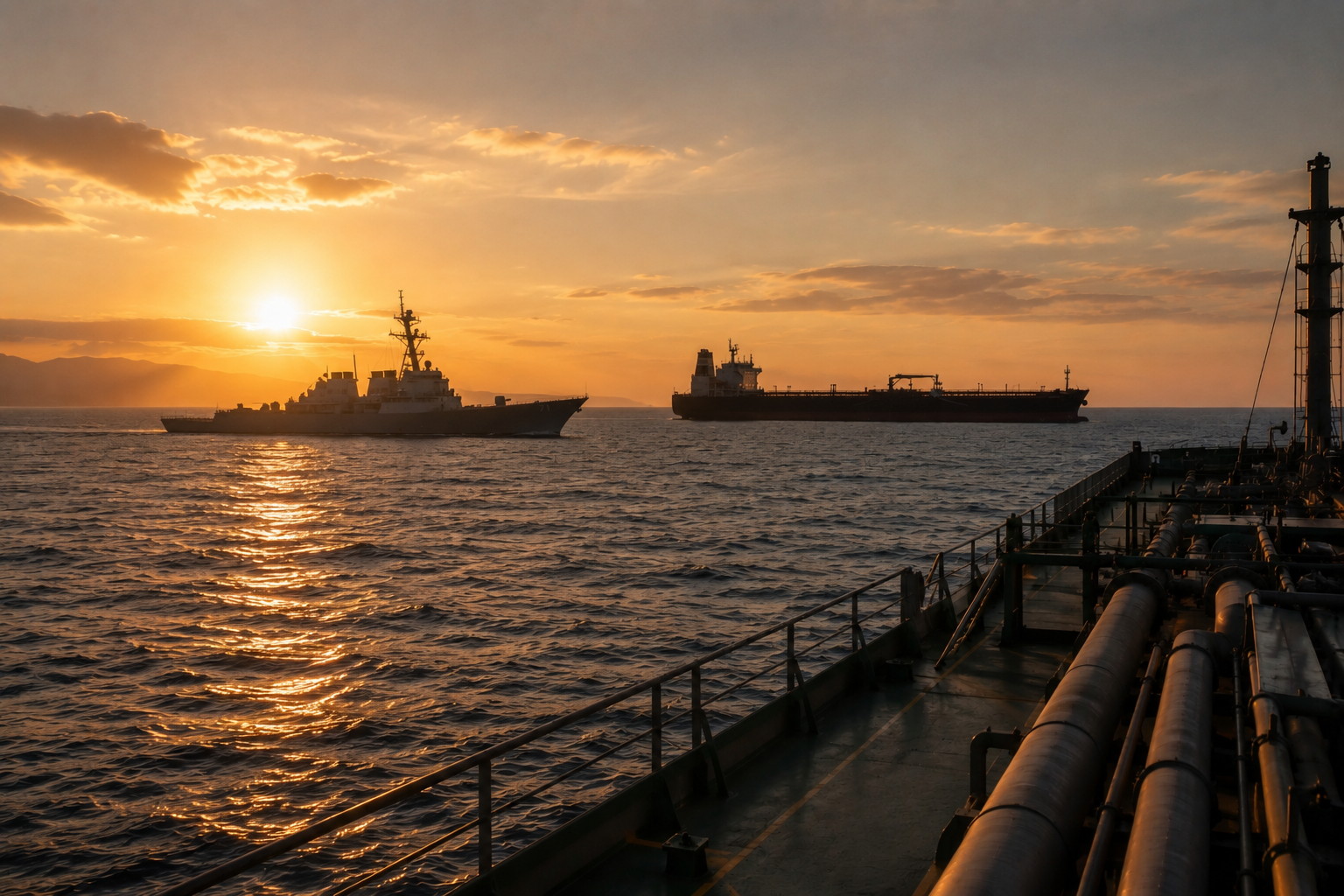
The US President, Donald Trump recently sent out a warning that the US Navy would create a blockade against Iranian ports and maritime access to the Strait of Hormuz. This warning has had the world on edge. Nearly 20% of global oil consumption along with a major share of LNG trade passes through the Strait of Hormuz. A prolonged disruption of this maritime route will be felt acutely by South Asia, a region that is already heavily dependent on energy and external balances. Moreover, militarily, the blockade could lead to a more serious naval conflict which could raise the risks for South Asian nations. For South Asia, this is not just a crisis in the Middle East, but also a possible naval conflict at its doorstep while its energy supply faces potential disruption.
India: Better Positioned, Still Exposed
India imports around 88% of its crude oil requirements, which makes sudden, unprecedented price rises more dangerous than an actual physical shortage. New Delhi has claimed to have diversified its supply chains. According to Indian officials, crude imports from outside the Strait of Hormuz has gone up from 55% to 70%.
India reportedly spent US$110 billion importing crude in the first eleven months of the current fiscal year. A sustained rise of Brent crude above US$100 per barrel could widen the current account deficit, raise inflation, pressure the rupee, and increase subsidy burdens. India’s key risk is therefore price transmission, not immediate supply collapse.
Pakistan: The Most Fragile Major Exposure
Pakistan enters this crisis with weaker external buffers, persistent balance-of-payments pressure, and heavy import dependence. Pakistan’s 2023 merchandise imports were approximately US$50 billion, against exports of US$28.7 billion, illustrating structural vulnerability to costlier energy and freight. Against this backdrop, a spike in oil and LNG prices would probably result in:
- Increased import bills
- Put pressure on foreign exchange reserves
- Raise domestic electricity tariffs
- Intensify inflation
- Complicate IMF reform pathways
Moreover, Pakistan’s geographic location adds another layer of risk. The Arabian Sea extends all the way to Karachi and Gwadar, which lie within the wider strategic radius of Hormuz related tension. If naval tensions expand, insurers may raise premiums for shipping headed to Pakistani ports.
Bangladesh & Sri Lanka: Indirect but Serious Shock
Bangladesh and Sri Lanka are not as exposed militarily as they are economically. Bangladesh increasingly relies on imported LNG and fuel for power generation. Rising LNG prices could result in electricity shortages and higher subsidy costs. South Asia as a whole has over 110 million tonnes per annum of LNG import capacity under development, showing growing dependence on maritime gas flows.
Sri Lanka, on the other hand, is still recovering from its economic crisis, which makes it vulnerable to inflated prices on imported fuel and a possible rise in shipping costs as well. Economies that depend on tourism to a large extent also suffer when conflicts disrupt flight paths and trade routes.
Trade, Shipping, and Insurance Costs
Even if non-Iranian vessels continue to transit, prices are likely to rise due to increased freight rates, war-risk insurance premiums, rerouting, and delays, all of which will affect trade and energy security across South Asia,
Scenario Estimate: Possible Economic Impact (6-Month Disruption)
| Country | Oil/Gas Import Exposure | Estimated FX Pressure | Inflation Risk Overall | Near-Term Risk |
| India | High | Moderate | Moderate | Medium |
| Pakistan | High | High | High | Very High |
| Bangladesh | Medium-High | Moderate | High | High |
| Sri Lanka | Medium | High | High | High |
Illustrative strategic risk framework based on import dependence and external balances.
Security Implications: War at Pakistan’s Doorstep
If the US-Iran maritime confrontation escalates, Pakistan will find itself in a very uncomfortable position. To its west, Pakistan shares a border with Iran, and also relies heavily on Gulf trade. Pakistan also hosts critical ports and maintains security ties with multiple competing actors. Islamabad has already mediated peace talks between the US and Iran once, and would probably seek to do so again, especially when the conflict sits in the sea lanes leading to Karachi. The potential risks of this possible conflict include:
- Risk of maritime spillover or misidentification incidents
- Pressure on border management along the Iran frontier
- Domestic political polarisation over alignment choices
- Increased naval vigilance requirements despite limited resources
Strategic Bottom Line
For South Asia, the blockade of the Strait of Hormuz is a form of energy constriction. While India can absorb the shocks that can come with the blockade, it will still come at a cost. Pakistan faces the most exposure to this conflict, with both its economy and security being at risk. While Bangladesh and Sri Lanka are not looking down the barrel of a gun the same way Pakistan is, they still have to prepare for inflationary spillovers and an energy crisis. If the crisis extends beyond two to three weeks, the South Asian governments will need to accelerate:
- Strategic petroleum reserves
- LNG contract diversification
- Currency contingency planning
- Naval domain awareness
- Regional energy coordination
In a globalised world, no country is insulated from the effects of conflict in any part of the world. However, when the conflict comes to one’s doorstep, the risks are exponentially larger, especially when their energy security comes under strain.