Tag: Director
-

On 25 April 2026, China launched Pakistan’s PRSC- E03 satellite from the Taiyun Satellite Launch Centre, thus completing Islamabad’s three-unit electro-optical (EO) observation constellation. This article argues that the completion of Pakistan’s EO programme, achieved through China’s technical and launch support, represents a shift in South Asian strategic competition. This extends the India-Pakistan rivalry into…
-

In March 2012, the International Tribunal for the Law of the Sea ruled in Bangladesh’s favour against Myanmar, settling a maritime boundary dispute that had dragged on for decades. Two years later, a Permanent Court of Arbitration tribunal resolved another longstanding maritime boundary dispute with India. Together, the two rulings granted Bangladesh an additional 118,813…
-

The US President, Donald Trump recently sent out a warning that the US Navy would create a blockade against Iranian ports and maritime access to the Strait of Hormuz. This warning has had the world on edge. Nearly 20% of global oil consumption along with a major share of LNG trade passes through the Strait…
-
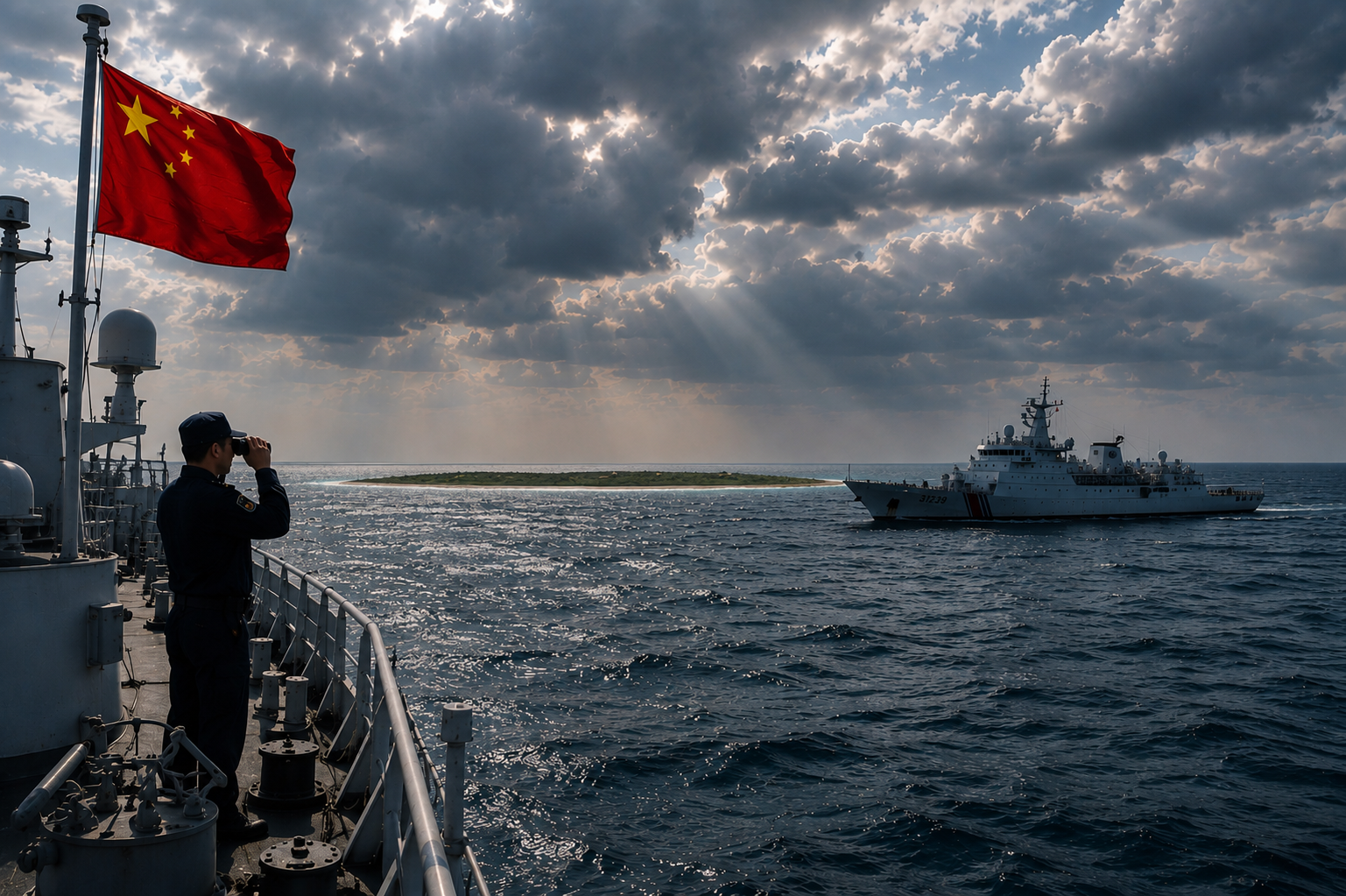
This article was first published with the Observer Research Foundation. On 29 April, 2021, the 28th session of the 13th NPC Standing Committee (NPCSC) of the People’s Republic of China (PRC) adopted the revised Maritime Traffic Safety Law of the People’s Republic of China (MTSL) which came into effect on the 1st of September 2021. MTSL is the primary law regulating…
-

Executive Summary The disruption around the Strait of Hormuz has brought up the old question of its strategic implications for South Asia – can the region reduce its dependence on western sea lanes by expanding its eastern maritime connectivity through the Bay of Bengal? For countries like India, Bangladesh, Sri Lanka, as well as landlocked…
-
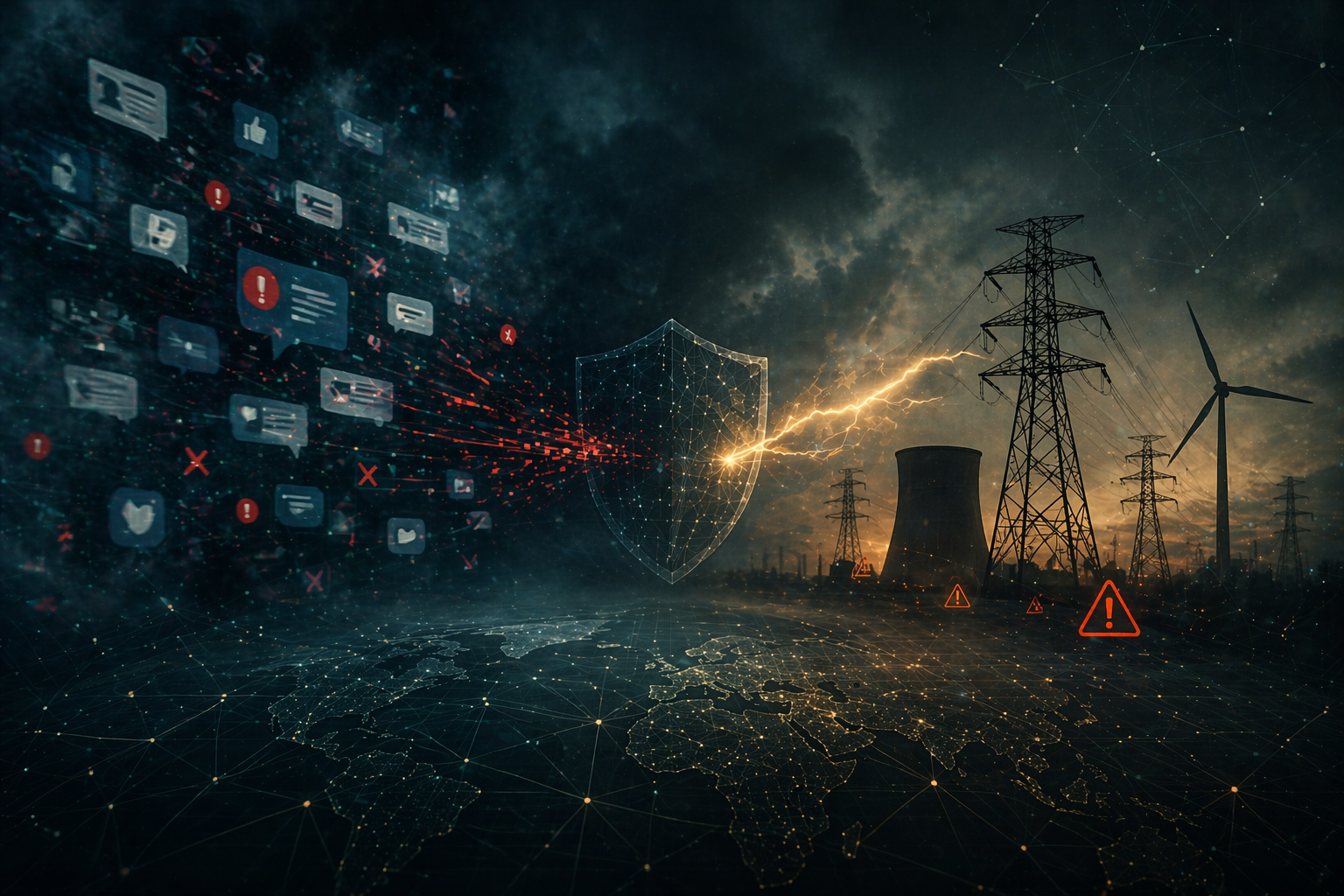
The security landscape of South Asia is undergoing a significant transformation, as non-traditional security threats are becoming increasingly prominent compared to traditional security threats. The spread of misinformation and disinformation, along with a deepening energy insecurity, underscores two of the rising issues that require immediate attention in an era of rapid digitisation and global interdependence.…
-
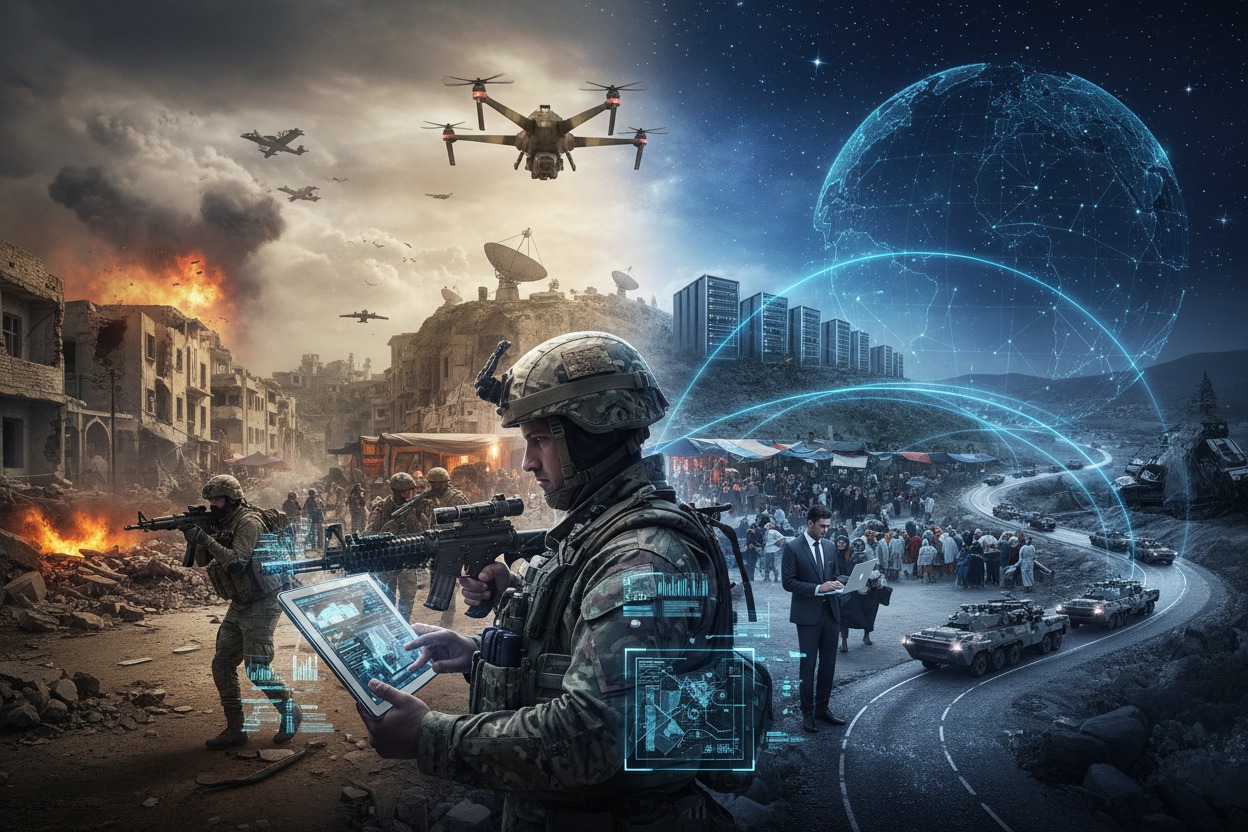
Conflict in the present day and age is characterised more and more by a strategic use of force and influence below conventional thresholds rather than formal declarations of war. This evolving landscape of security challenges has given rise to the concept of Hybrid Warfare, which includes the integration of military, irregular, cyber, and informational tools…
-

The world order that states have long operated within, the so-called rules-based order or Pax Americana, the liberal international order built by the US in the aftermath of WW II and led by it in the post-Cold War period, appears to either have already eroded or to be in visible decline. Recent developments, including the…