Tag: Analyst
-
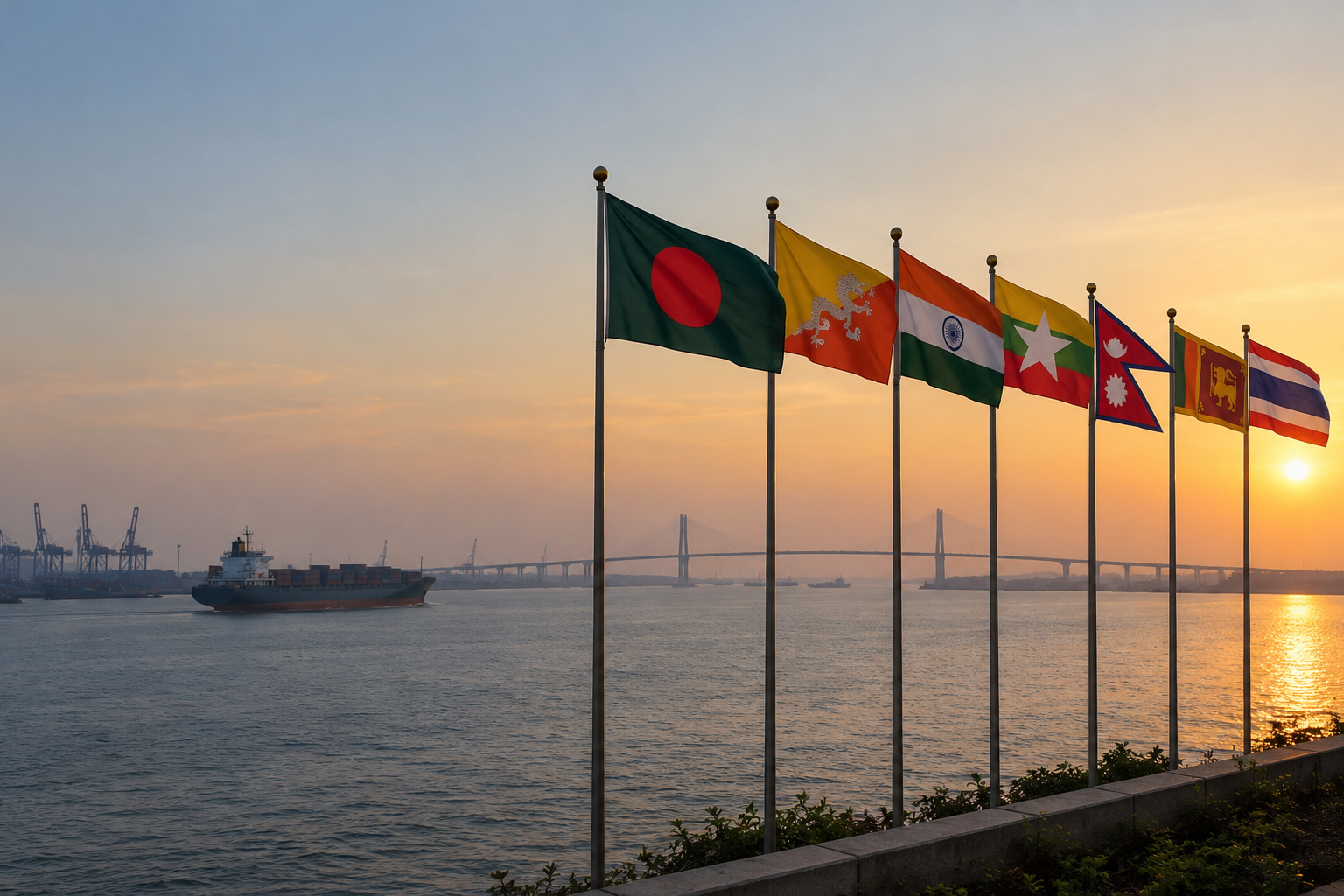
The prolonged inertia of the South Asian Association for Regional Cooperation (SAARC), primarily owing to the continuing political disagreements between India and Pakistan, has led to a renewed interest in other regional frameworks. Of these, the Bay of Bengal Initiative for Multi-Sectoral Technical and Economic Cooperation (BIMSTEC) has become increasingly strategically significant through the rising…
-

In December 2025, India hosted the fiftieth-anniversary conference of the Biological Weapons Convention in New Delhi, and used the platform to present itself as a leading voice for biosecurity across the Global South. External Affairs Minister (EAM) S. Jaishankar told delegates from more than eighty countries that India was committed to full implementation of the…
-
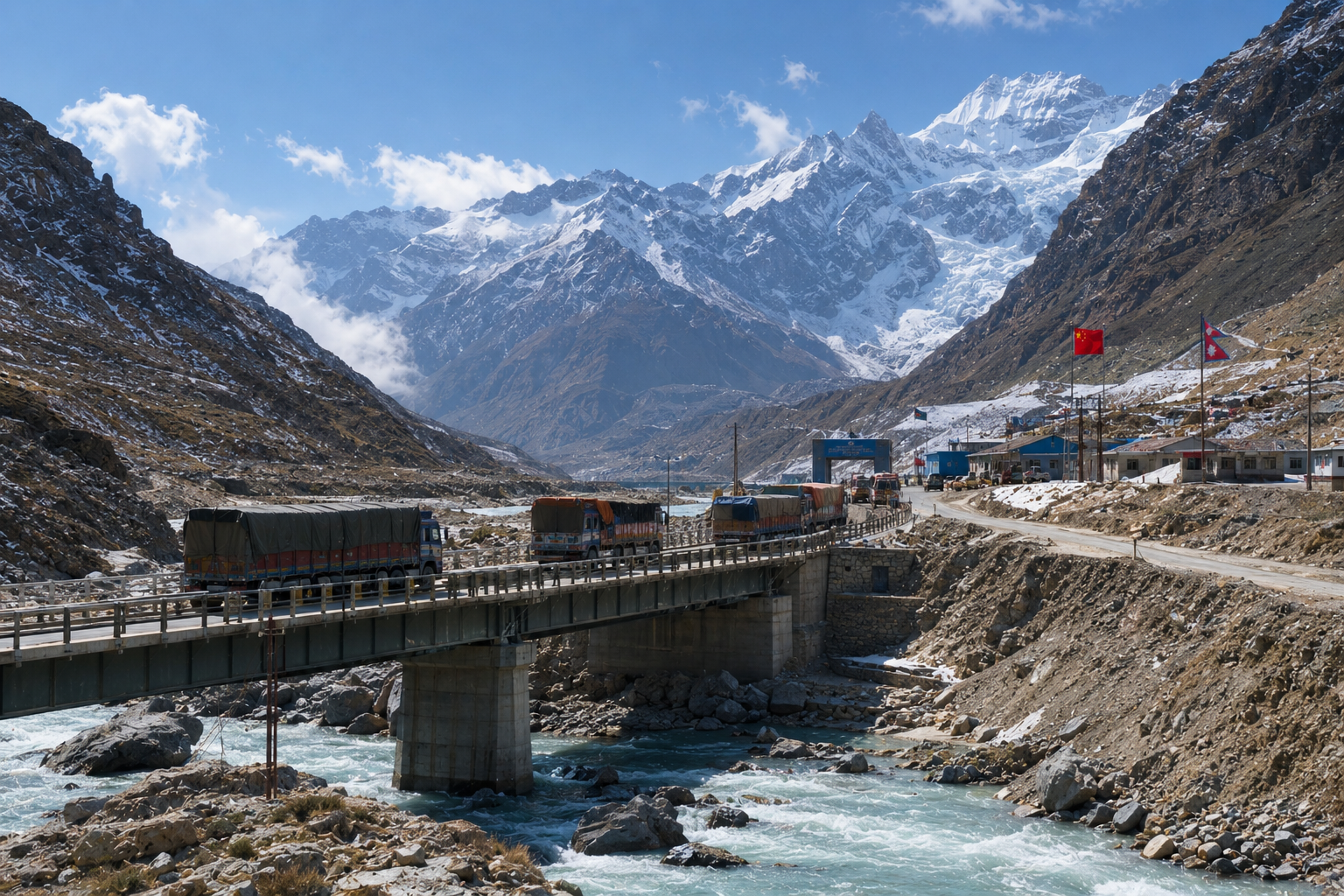
The Himalayan Climate in Transition The melting of the Arctic has become one of the most familiar stories in geopolitics. As the ice retreats, new sea routes open and global trade patterns shift with them. A similar story is unfolding in the Himalayas, with far less attention. Here too, climate change is redrawing trade routes…
-
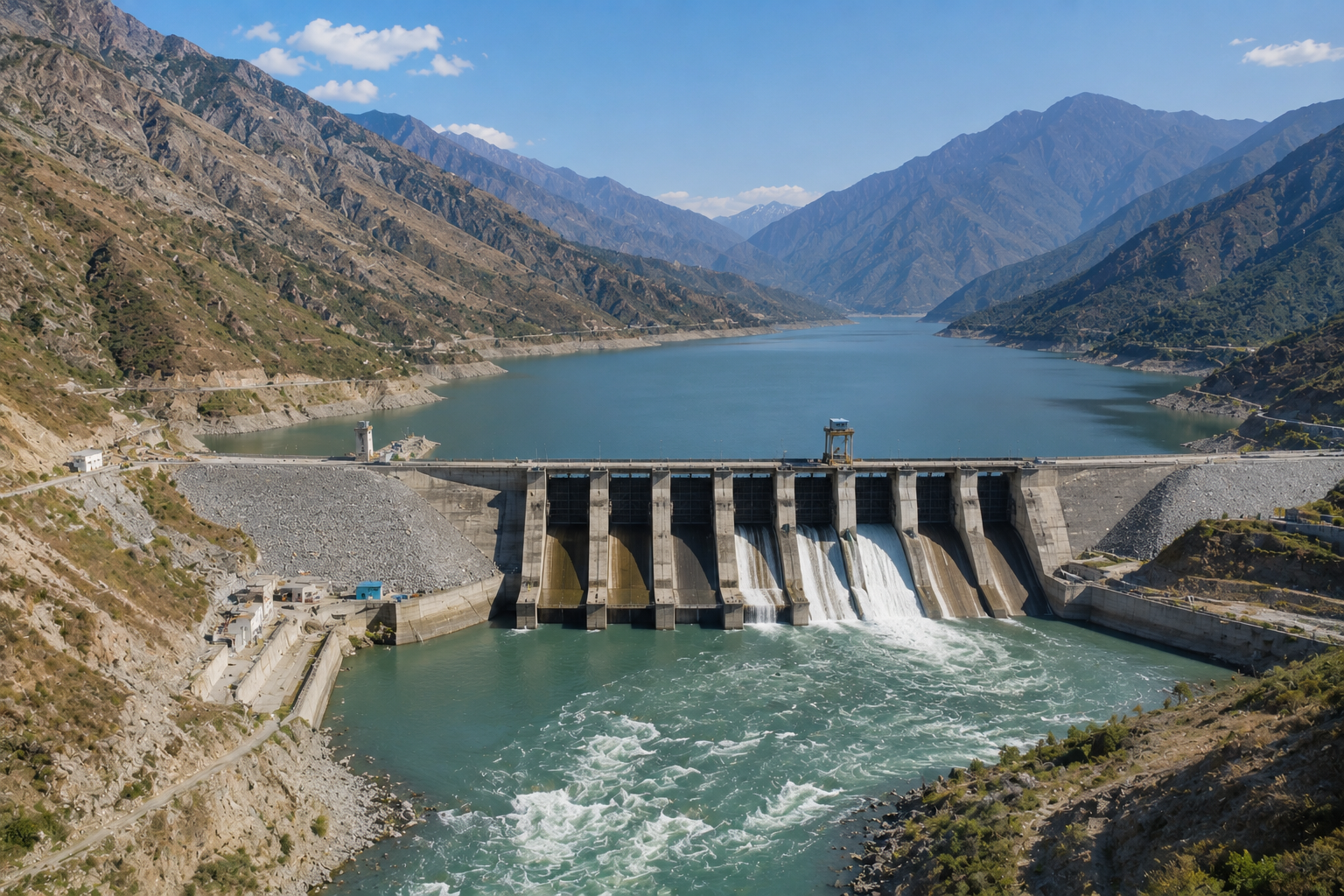
There is a specific mechanism connecting the legal fight over the Indus Waters Treaty to the growing possibility of an actual military incident, and most commentary on this subject misses it because it treats the two as separate stories. One story is about courts, articles, and jurisdiction. The other is about generals, ministers, and war…
-
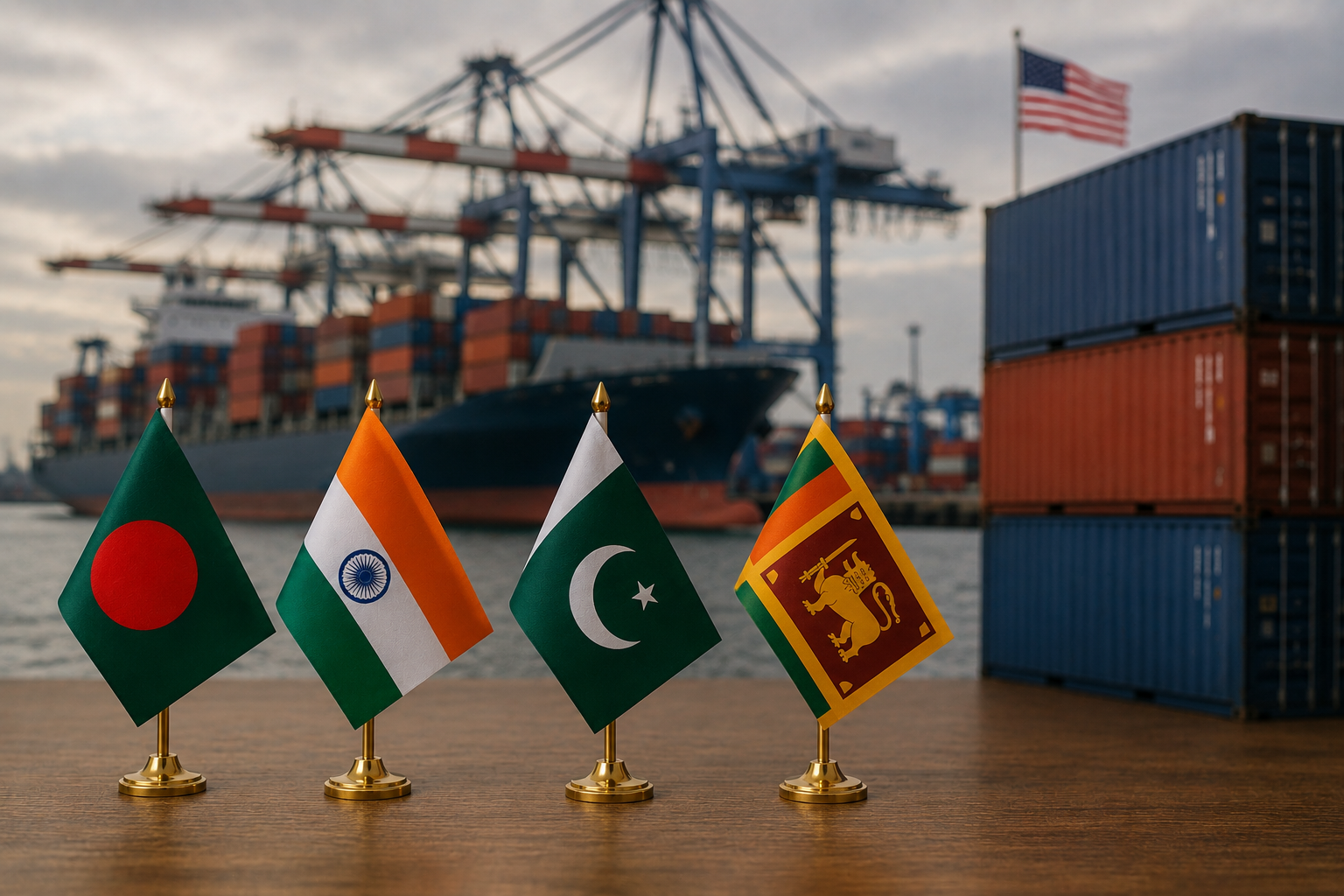
The case for treating volatility as the primary risk, rather than the rate itself, rests on how quickly South Asia’s tariff position has moved since Liberation Day. In February 2026, India’s rate fell from 50 percent to 18 percent under a bilateral deal; Bangladesh secured 19 percent days before its election; Pakistan and Sri Lanka…
-

The standard assessment of state-sponsored cyber intrusion targeting the Indian system sees such actions as an attempt of sabotage of critical infrastructure – a compromised load dispatch center, an attacked port authority, a power grid being put offline. Applying this approach to the case of Digital Public Infrastructure of India is not only wrong, but…
-
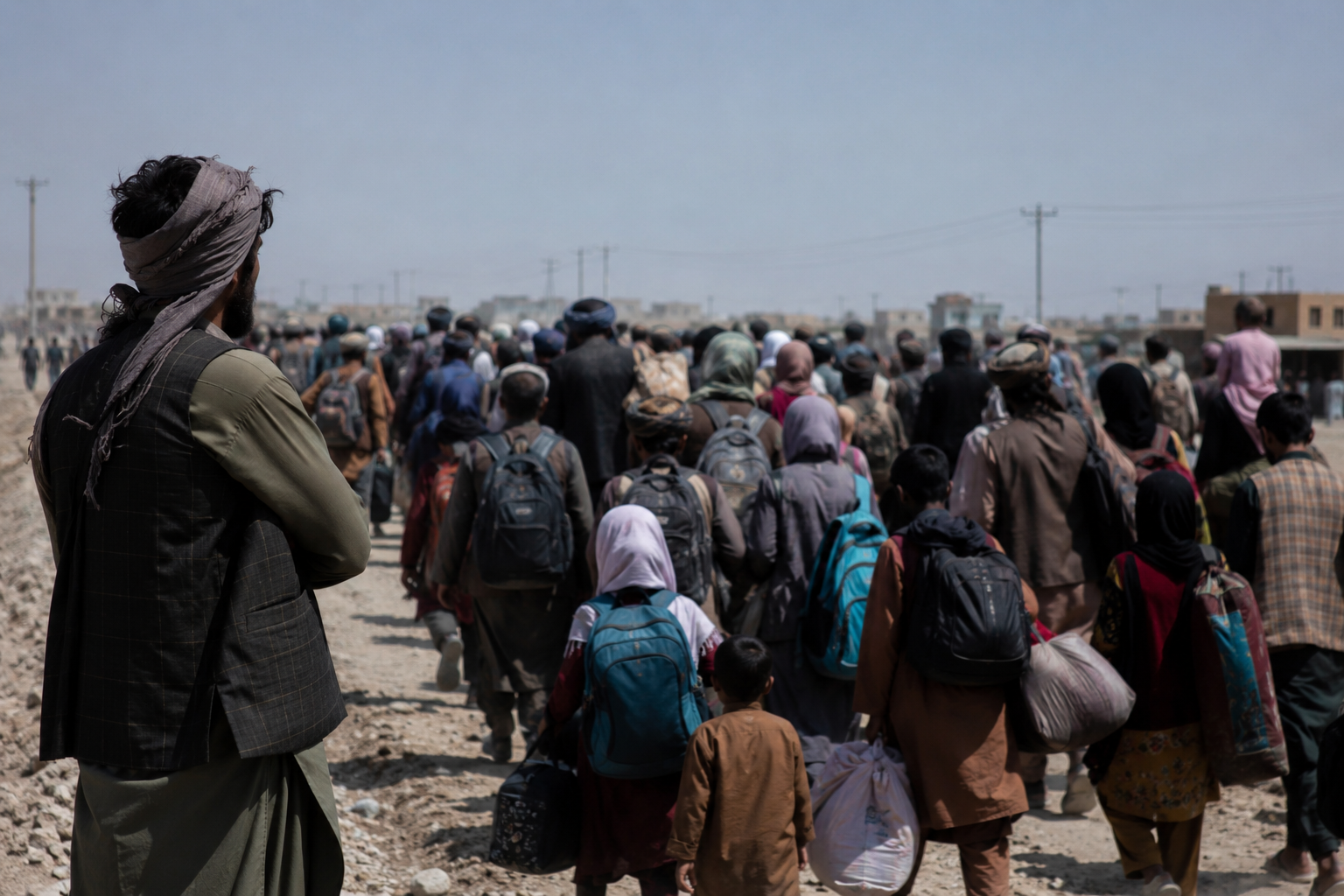
Since late 2023, millions of Afghans have been deported from Iran and Pakistan despite holding documents that had long permitted them to live and work, yet both governments describe the removals as nothing more than routine immigration enforcement. The mass displacement of Afghans has created not just a humanitarian crisis but a fertile recruiting ground…
-

The conventional analysis of IP theft understands it to be an act of commercial criminality – a renegade engineer, a bribed supplier, a patent casually dismantled in a laboratory in Shenzhen. The application of this diagnosis to India-China relations is not only incomplete, but actively counterproductive, in that it confuses a strategy with a category…
-
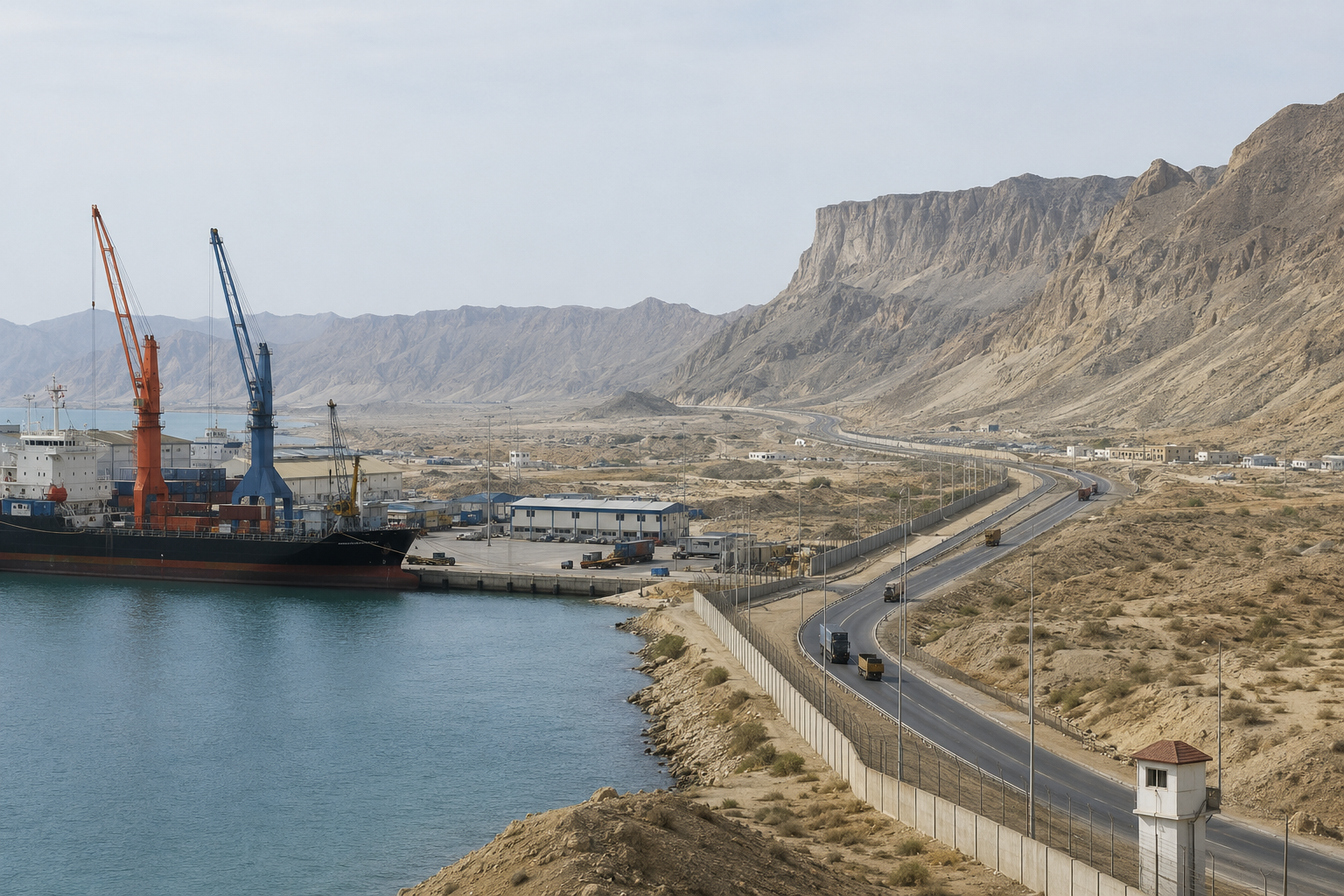
In the early weeks of 2026, before the war between Iran and the United States broke out, a reputed news outlet hosted two well-placed Indian commentators, one of whom volunteered the view that he does not see Chabahar port shutting down at all. He argued if any port was going to decline, a view the…